
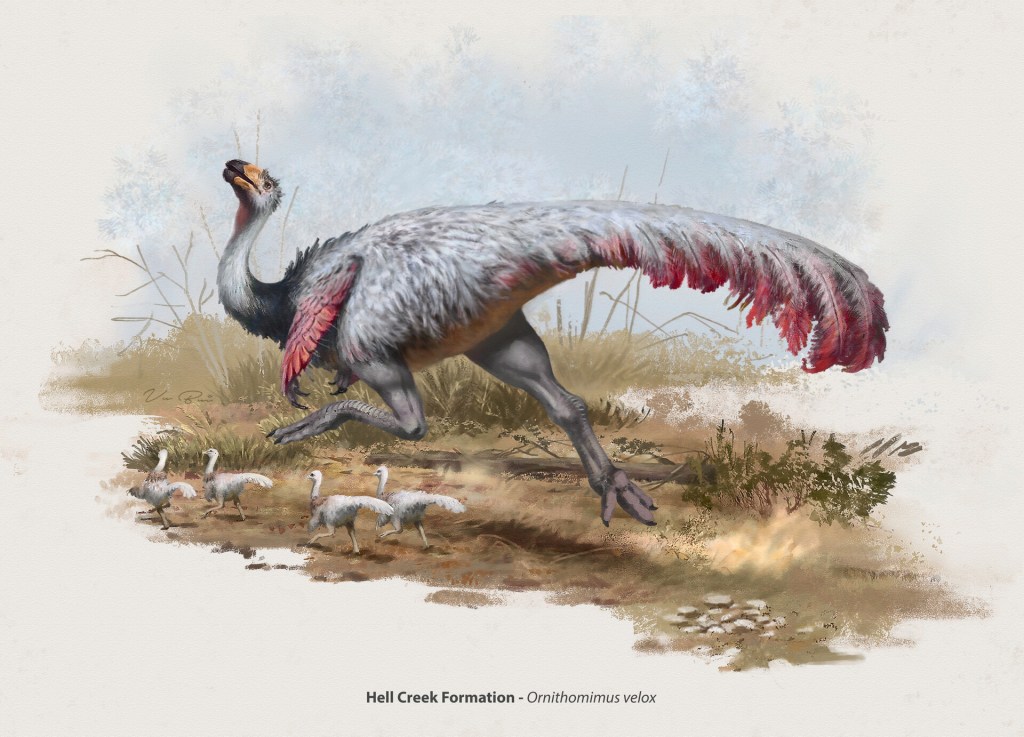
Ornithomimus velox as depicted by the artist Vu Bui
Sources
Image Credits
Cover Image: Ornithomimus velox
https://www.artstation.com/artwork/gR0mQK
Ornithomimus feather variation:
https://www.deviantart.com/avian-king/art/Ornithomimus-786998722
Skeletal Reconstruction:
https://www.deviantart.com/getawaytrike/art/Mimic-series-634200762
Research Sources
van der Reest, A. J., Wolfe, A. P., & Currie, P. J. (2016). A densely feathered ornithomimid (Dinosauria: Theropoda) from the Upper Cretaceous Dinosaur Park Formation, Alberta, Canada. Cretaceous Research, 58, 108–117. https://doi.org/10.1016/j.cretres.2015.10.004
Claessens, L. P. A. M., & Loewen, M. A. (2015). A redescription ofOrnithomimus veloxMarsh, 1890 (Dinosauria, Theropoda). Journal of Vertebrate Paleontology, 36(1), e1034593. https://doi.org/10.1080/02724634.2015.1034593
Makovicky, Kobayashi and Currie (2004). “Ornithomimosauria.” In Weishampel, Dodson and Osmolska (eds.), The Dinosauria Second Edition. University of California Press. 861 pp.
Summary
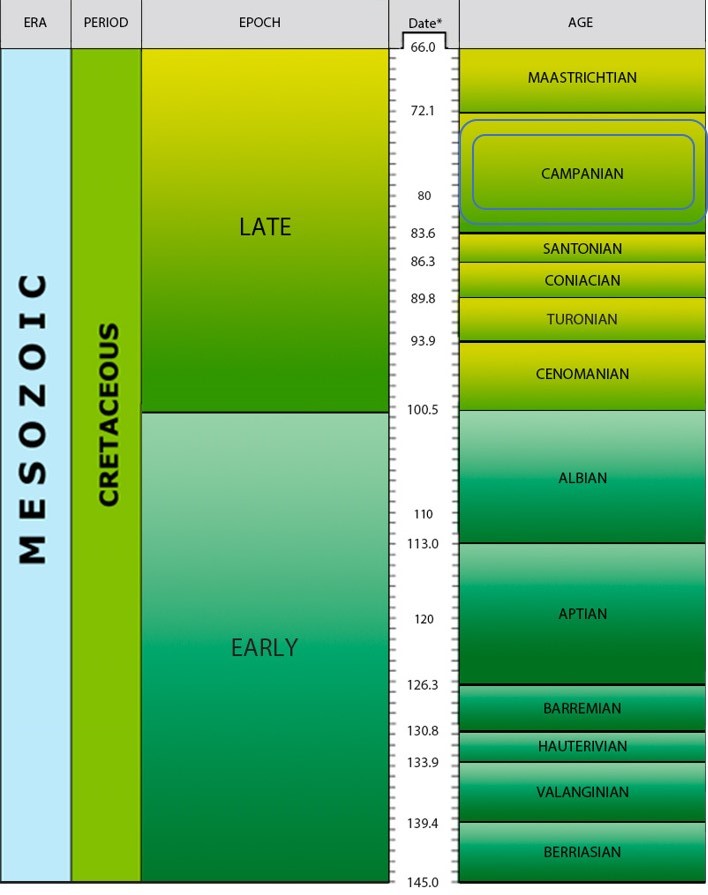
Ornithomimus was a genus of ornithomimid theropod that lived during the Late Cretaceous, more specifically, during the Campanian. This genus of dinosaur is comprised of two species, O. velox and O. edmontonicus. These sleek and nimble looking animals lived in what paleontologist’s call Laramidia, present day Western North America. The characteristics that are used to describe Ornithomimids are feet with three weight-bearing toes, long slender arms, and long necks with birdlike, elongated, toothless, beaked skulls. Now, that does describe several other genuses of dinosaur but the differences between Ornithomimus and its cousins are shorter torsos, long slender forearms, very slender, straight hand and foot claws, and hand bones and fingers of similar lengths.
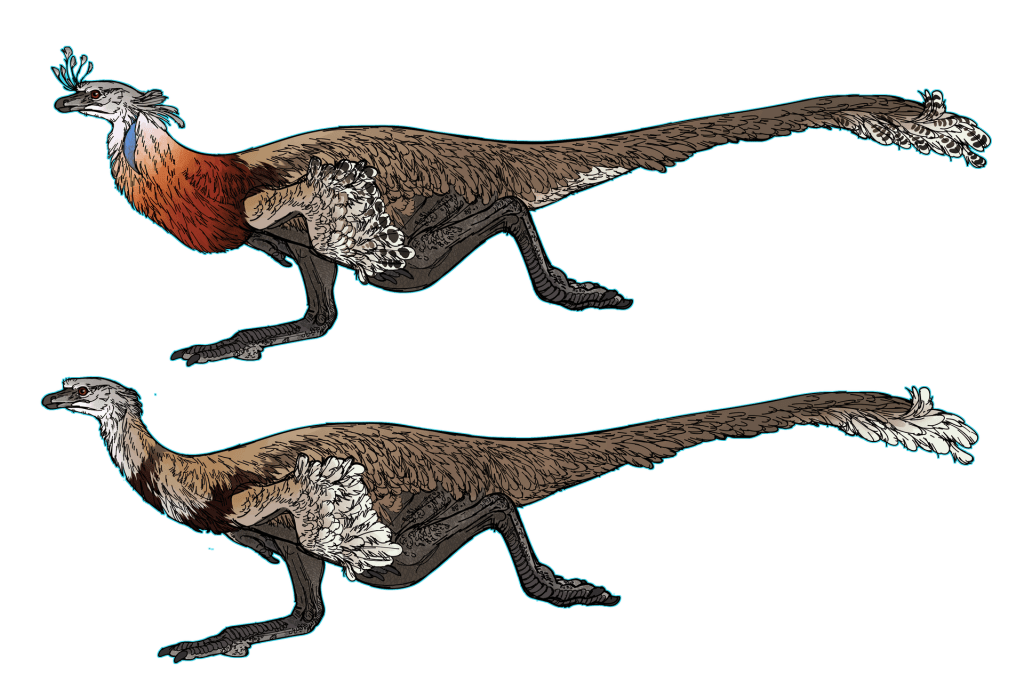
Ornithomimus feather variations by Avian-king
Discovery
The first specimen discovered was found by Othniel Charles Marsh in 1890 at the Denver Formation of Colorado. This specimen consisted of a partial hand and a foot. O. C. Marsh named the dinosaur Ornithomimus which means “bird mimic” in Greek. For the species name, Marsh christened this first specimen velox meaning “swift” in Latin. Due to the limited fossilized remains, Ornithomimus became a “wastebasket taxon,” seemingly every partial fossilized skeleton found near the region that was a smaller theropod belonged to Ornithomimus! By 1933 there had been ten new species named under Ornithomimus and today, after countless categorizing and recategorizing, only two remained, O. velox and O. edmontonicus. The other specimens that had been lumped into the Ornithomimus genera were either found to be species of Struthiomimus, Dromiceiomimus, or Gallimimus,
Due to the beaked nature of this dinosaur, Ornithomimus is considered by most to be omnivorous, though it is highly debated that they may have been mainly carnivorous, similarly to their cousins the Oviraptorosaurs. The length of the legs of Ornithomimus seem to suggest that rapid locomotion, like it’s modern day relatives emus and ostriches. Measurements of the sclerotic rings in the eyes also allude to a high possibility of nocturnality in the genus.
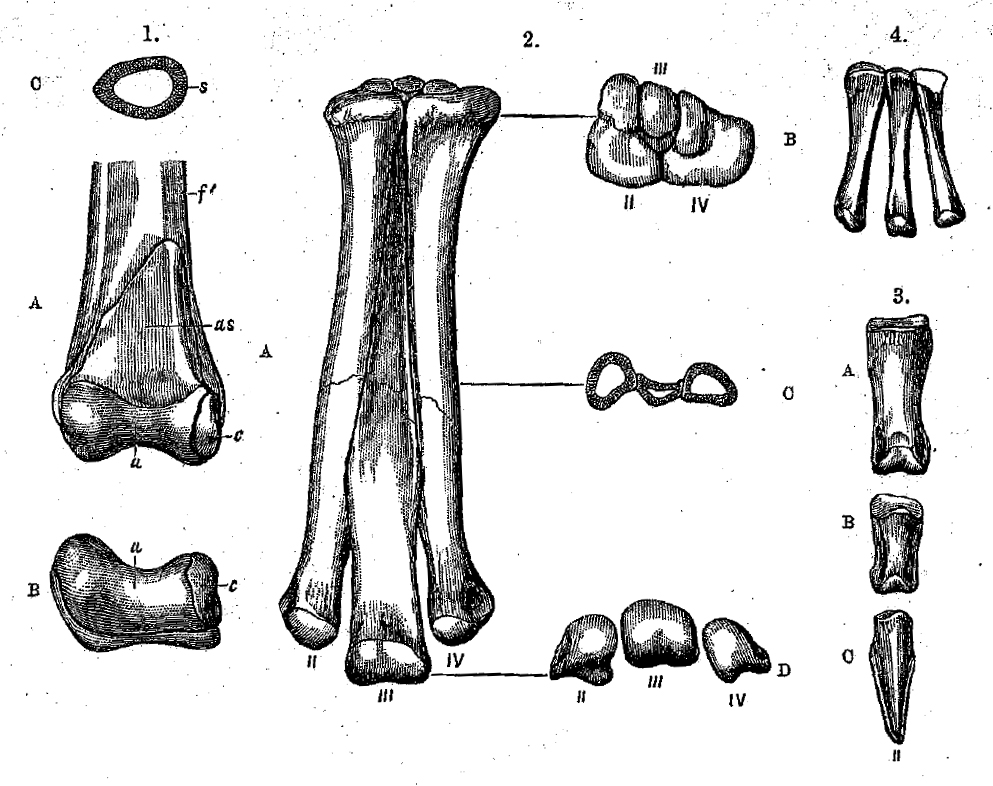

Holotype material of O. velox
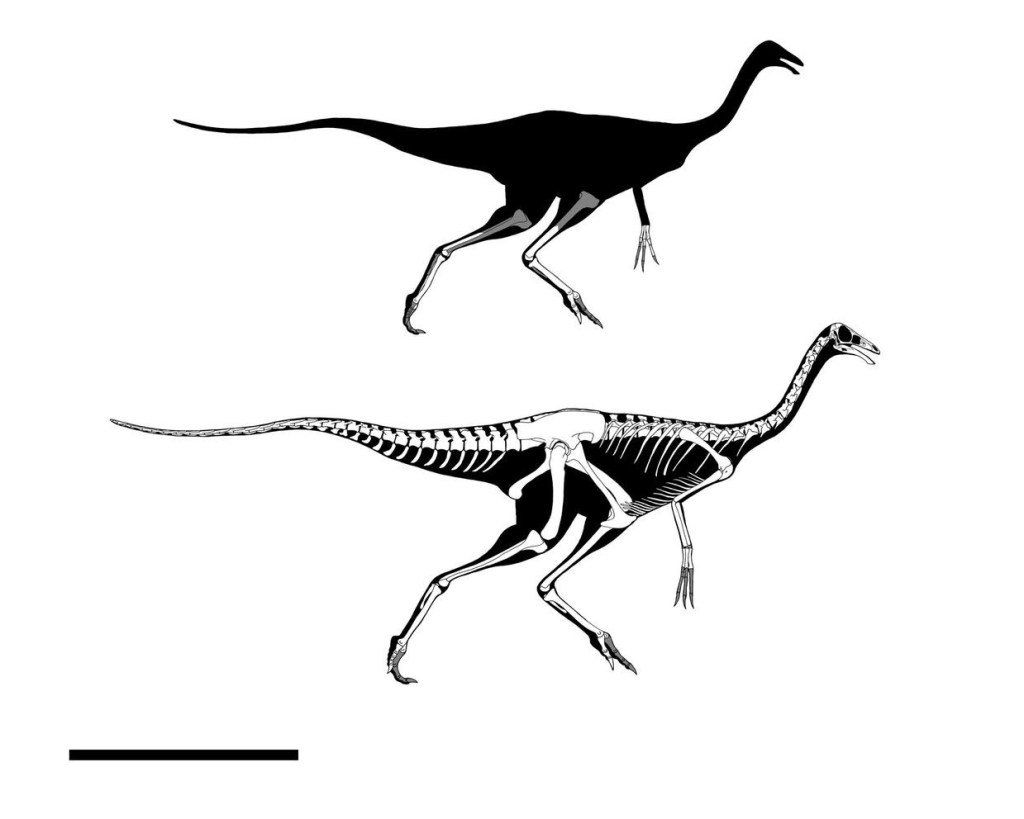
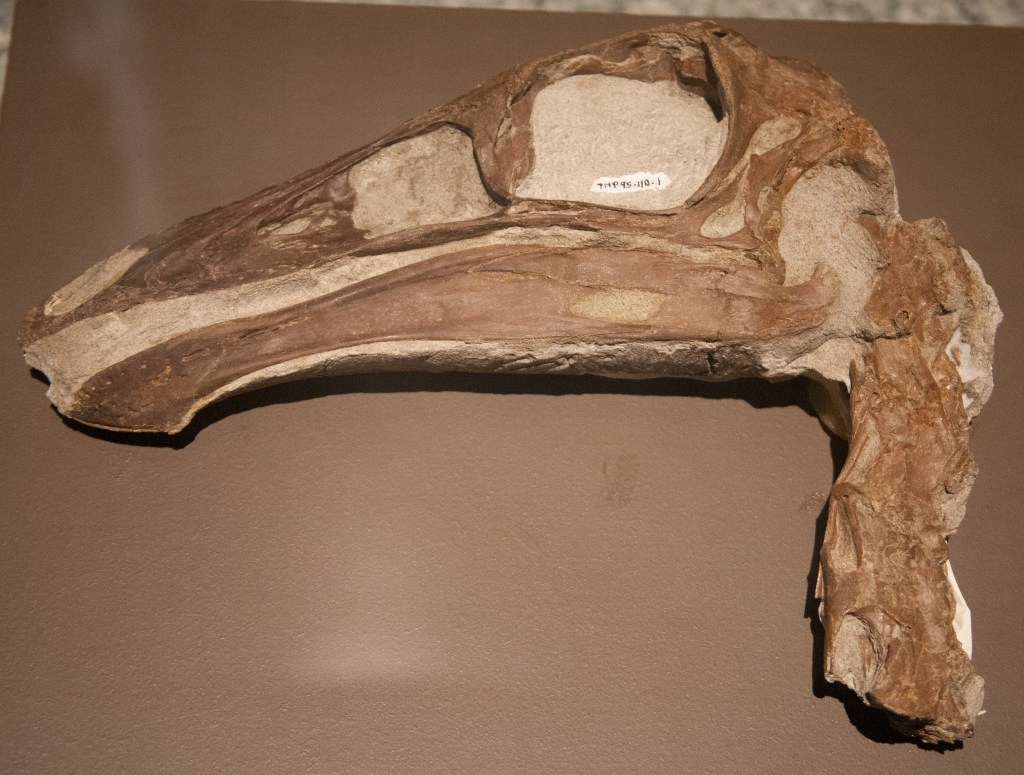
Left: Ornithomimus velox YPM 542 (holotype) and YPM 548;
Ornithomimus edmontonicus TMP 95.110.1.
Art by GetAwayTrike
Right: Skull and neck of Ornithomimus sp. (RTMP 95.110.1)
Image from Roland Tanglao
Paleoenvironment
As I publish more of these articles, the way that I lay out the paleoenvironment may change but for now this layout makes the most sense to me. I will also be including a link to the genus specific wikipedia for each listed creature if you want to learn more about a specific genus. This is not a comprehensive list of all of the species that were extant alongside Ornithomimus but hopefully this gives context for Ornithomimus in its environment. Lastly, as more articles are put out I will include a link to the article as well.
 Mesozoic Memoirs
Leave a comment