This website was created with the goal of bridging the gap between the casual dinosaur appreciator and the avid dinosaur enthusiast and one of the main issues that people run into is the terminology used when digging into the science of these animals. On this page you’ll find the definitions for common terms that come up fairly often in the world of biology and paleontology.
This page is an ever evolving work in progress. If there is a word that you think should be here that is not, please submit it at the bottom of the page!
- Clade
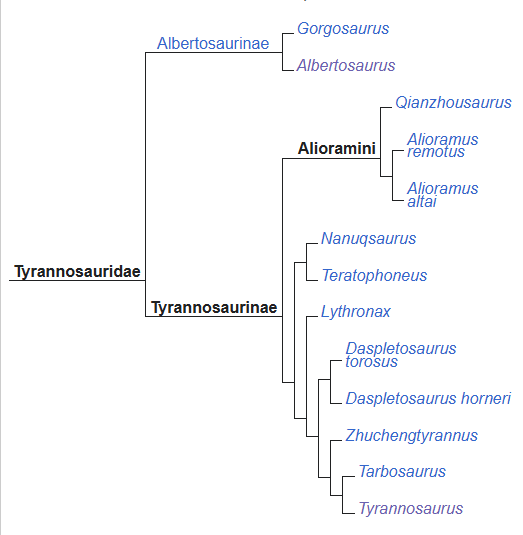
A system of categorization that relies on grouping organisms by a common ancestor and all of the descendants (living and extinct) of that ancestor. One of the best examples of a clade is showcased in the image below of Brusatte and Carr’s 2016 interpretation of the clade Tyrannosauridae.
- Holotype
The specimen that was used to describe and name a new species. Holotypes are important in determining if a newly discovered fossil is a new species or if that fossil would better fit under an already categorized species. - Sexual Dimorphism
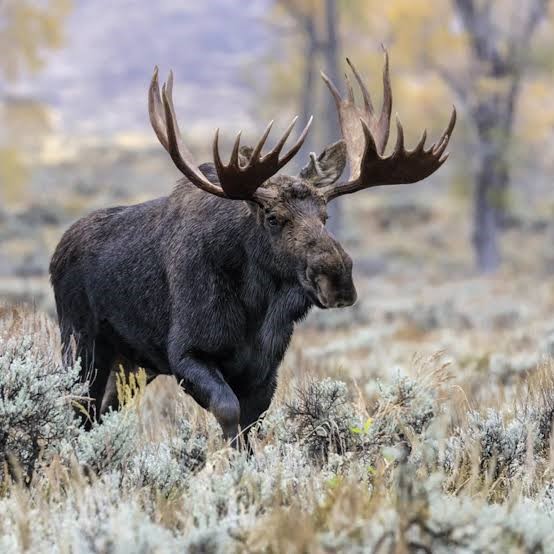
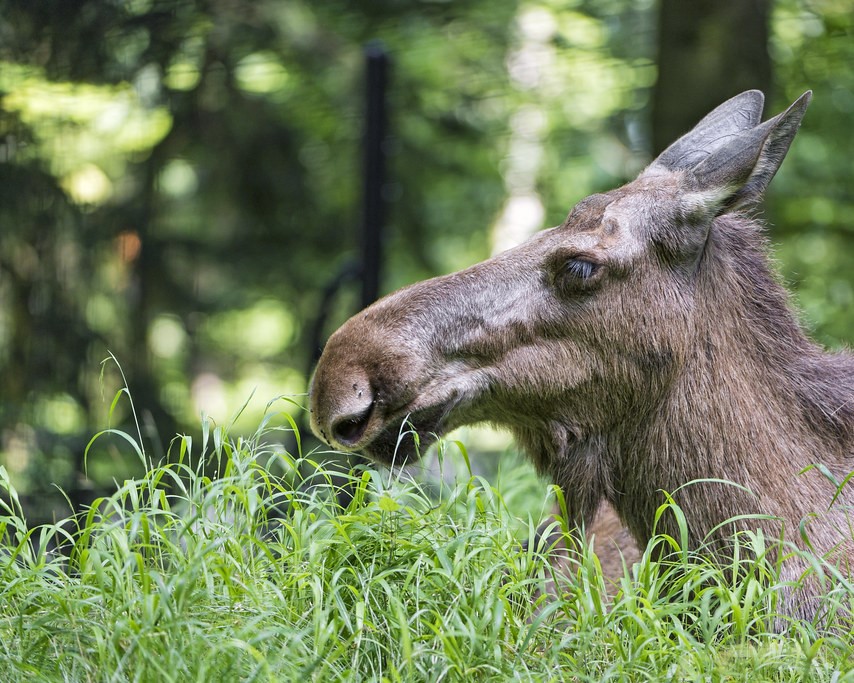
The distinct difference in size or appearance between the sexes of a species in addition to difference between the sexual organs themselves. As a quick and dirty example, think of how male moose have large antlers whereas female moose lack antlers entirely.
- Wastebasket Taxon
A term that biologists use when referring to a group of organisms that do not fit anywhere else. An oversimplification that makes it make sense to me is the “everything-else” category.
 Mesozoic Memoirs